Keywords: Macropore flow, Soil water repellency, Hydrophobicity, Solute leaching risk
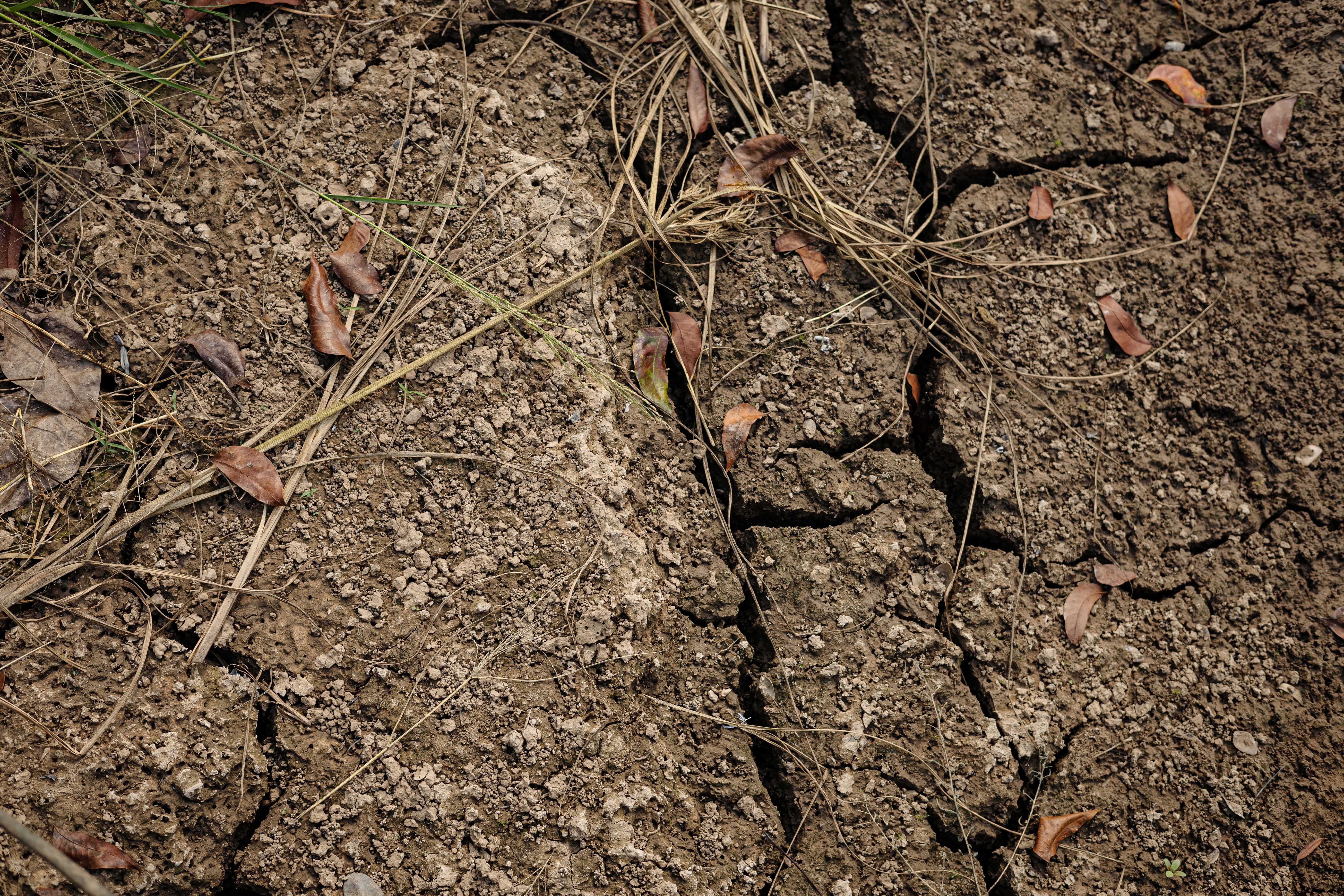
Macropores are large, continuous soil pores formed by root channels, earthworms, and shrink–swell processes enabling rapid preferential transport of water and solutes through the soil profile. This project investigates how drought‑induced soil water repellency influences the initiation and intensity of macropore flow during rewetting events. Soil water repellency increases as soils dry, reducing matrix infiltrability and diverting infiltration into connected macropores once rainfall exceeds a threshold. The project will quantify how soil repellency alters infiltration dynamics and bypass flow risk. Through controlled drying–rewetting experiments, infiltration tests, and dye tracing, the study will assess how hydrophobicity delays matrix wetting and at the same time increases the risk of macropore flow. The results will improve understanding of how drought, hydrophobicity, and soil structure interact to shape preferential flow pathways, with implications for solute leaching, groundwater protection, and soil management under a changing climate. The content of the project will depend on the extend.
Is field work part of the topic? Yes
Is lab work part of the topic? Yes
I coding part of the thesis topic? No
Any time
AU Viborg
30 ECTS (IMSOGLO and Agrobiology): Theoretical thesis based on literature studies and/or analysis of issued and edited data sets.
45 ECTS (Agrobiology): Experimental theses in which the student is responsible for collection and analysis of his/her own original data
60 ECTS (Agrobiology): Experimental theses in which the student is responsible for planning, trial design and collection and analysis of his/her own original data
Jarvis, N. J. 2007. A review of non-equilibrium water flow and solute transport in soil macropores: Principles, controlling factors and consequences for water quality.” European Journal of Soil Science 58, no. 3 (2007): 523-546.
https://doi.org/10.1111/j.1365-2389.2007.00915.x
Seaton, F.M., Jones, D.L., Creer, S., George, P.B., Smart, S.M. and Lebron, I., 2019. Plant and soil communities are associated with the response of soil water repellency to environmental stress. Science of the Total Environment, 687, pp.929-938.


