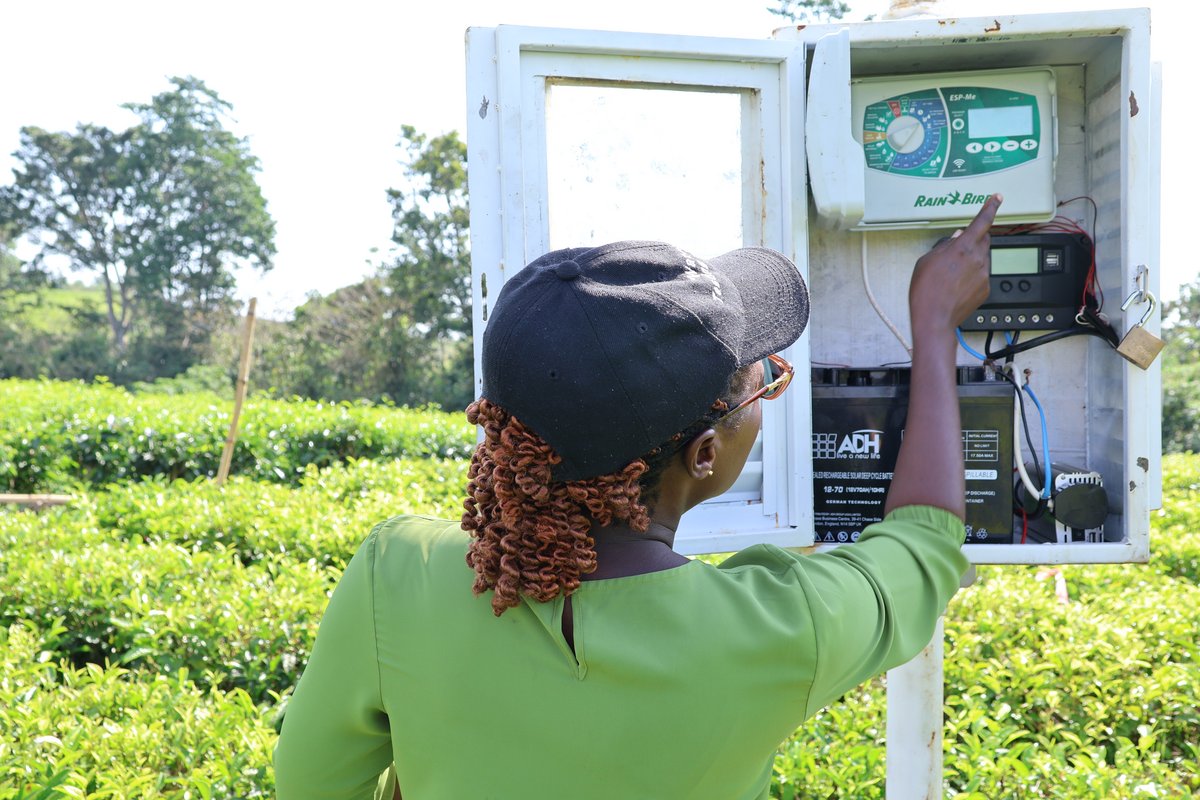
Irrigation is the largest consumer of freshwater globally. It is a land-intensification practice that supplies water to crops when soil moisture is insufficient due to coarse texture or shortfall rainfall. In water management and hydrology, quantifying evapotranspiration and scheduling irrigation remain central questions for efficient water use under increasing climatic pressures and other water demands. Similarly, research into rooting depths and drought tolerance is key to understand crop water availability. Modern methods such as drip irrigation and partial root zone drying optimize water use while maintaining crop yields. Water balance modelling, crop-soil-water nexus approaches and thermal remote sensing show huge potential for precision scheduling from leaf to regional scale.
We provide knowledge about:
We carry out:
MSc on Smart Environmental Sustainability (ECOLUTION)
Special issue in Remote Sensing: Irrigation Mapping Using Satellite Remote Sensing: 2nd Edition + link
Nature-based Solutions for Tea (NbS4Tea)
Variable rate irrigation and nitrogen fertilization in Potato; engage the spatial variation (Potential)
Managing and Optimizing Irrigation by Satellite Tools (MOIST)