Foulumgård Experimental Station (56° 30' N, 09° 34' E, 54 meters above sea level)
The long-term arable crop rotation experiment was started in 1997.
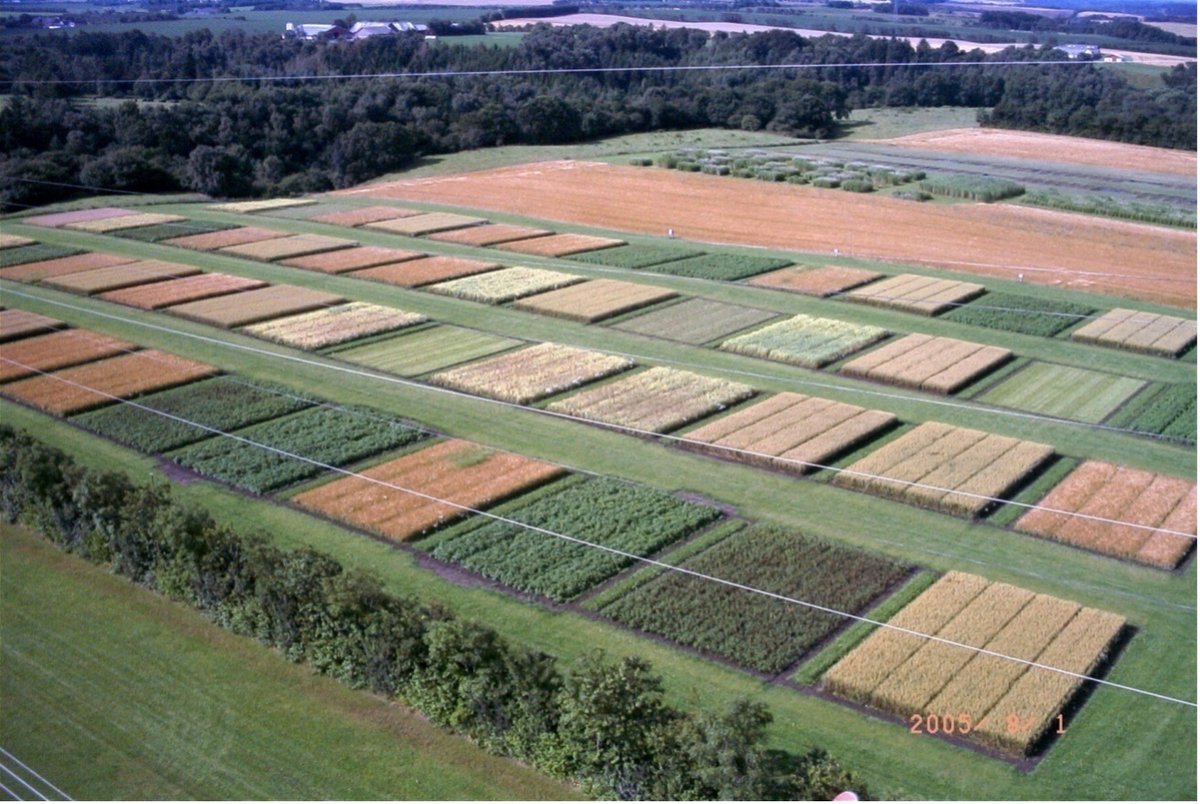
The objective is to form a basis for national and international studies of agroecosystem management effects on crop productivity, crop quality, soil fertility, environment and climate. The experiment compares management systems with organic (no pesticides and mineral nitrogen fertilisers) and conventional management of arable crops with a focus on growing plant-based foods and environmental effects. Organic rotations with and without a grass-clover green manure crop in the rotation are compared. Furthermore, interactions between crops in crop rotations with and without cover crops are investigated. The organic rotations include long-term use of anaerobically digested manure from biogas production in some of the systems. Developments in yields, nitrate leaching, weed populations, and soil C and N concentrations are monitored in the experiment.
Loamy sand, Typic Hapludult
The archive contains samples of crops and soils for the whole period.

