St. Jyndevad, Southern Jutland, Denmark (54°53' 22.4" N, 09°07' 39.5" E), 16 m above sea level
1942
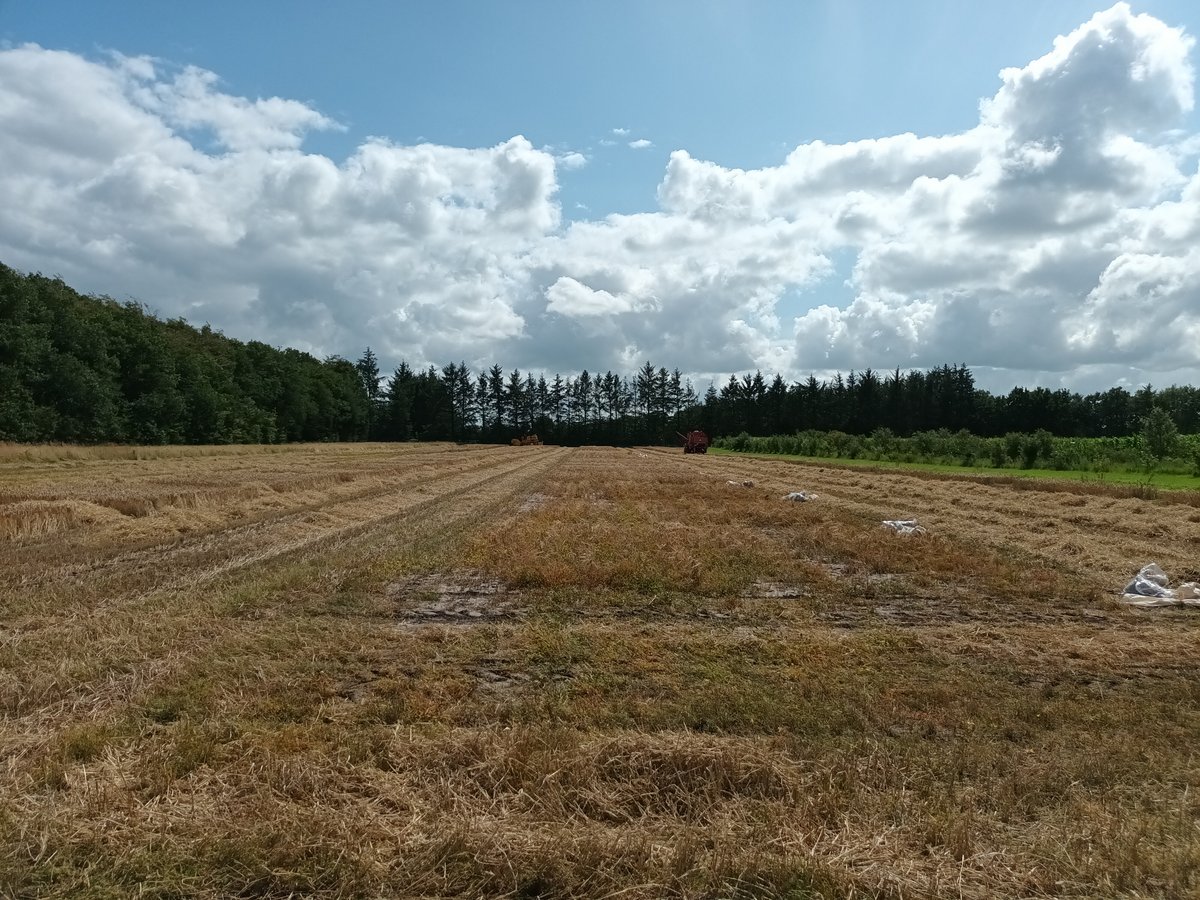
The experiment was established in 1942 on a coarse sandy soil at St. Jyndevad near the Danish–German border. It was originally laid out as four adjacent fields (V1–V4). The original aim of the experiment was to investigate the effects of liming and phosphorus fertilization, as well as their interaction, on crop productivity.
Field V4 was converted to forest in 1964, and field V3 was converted to permanent grassland in 1994, while experimental treatments have continued in fields V1 and V2. Since 1994, these fields have primarily been cultivated with spring barley.
The long-term treatments with lime and phosphorus fertilizer have resulted in large gradients across the experimental area, with soil pH(CaCl₂) ranging from 3.6 to 7.2 and phosphorus content (Olsen P) ranging from 15 to 80 mg P kg⁻¹.
Coarse sandy soil, Orthic Haplohumod
Soil and plant samples from the field experiment from selected years are available in the archive.

