Main subject area: Nitrous Oxide, N2O, crop residues, greenhouse gasses, GHG mitigation
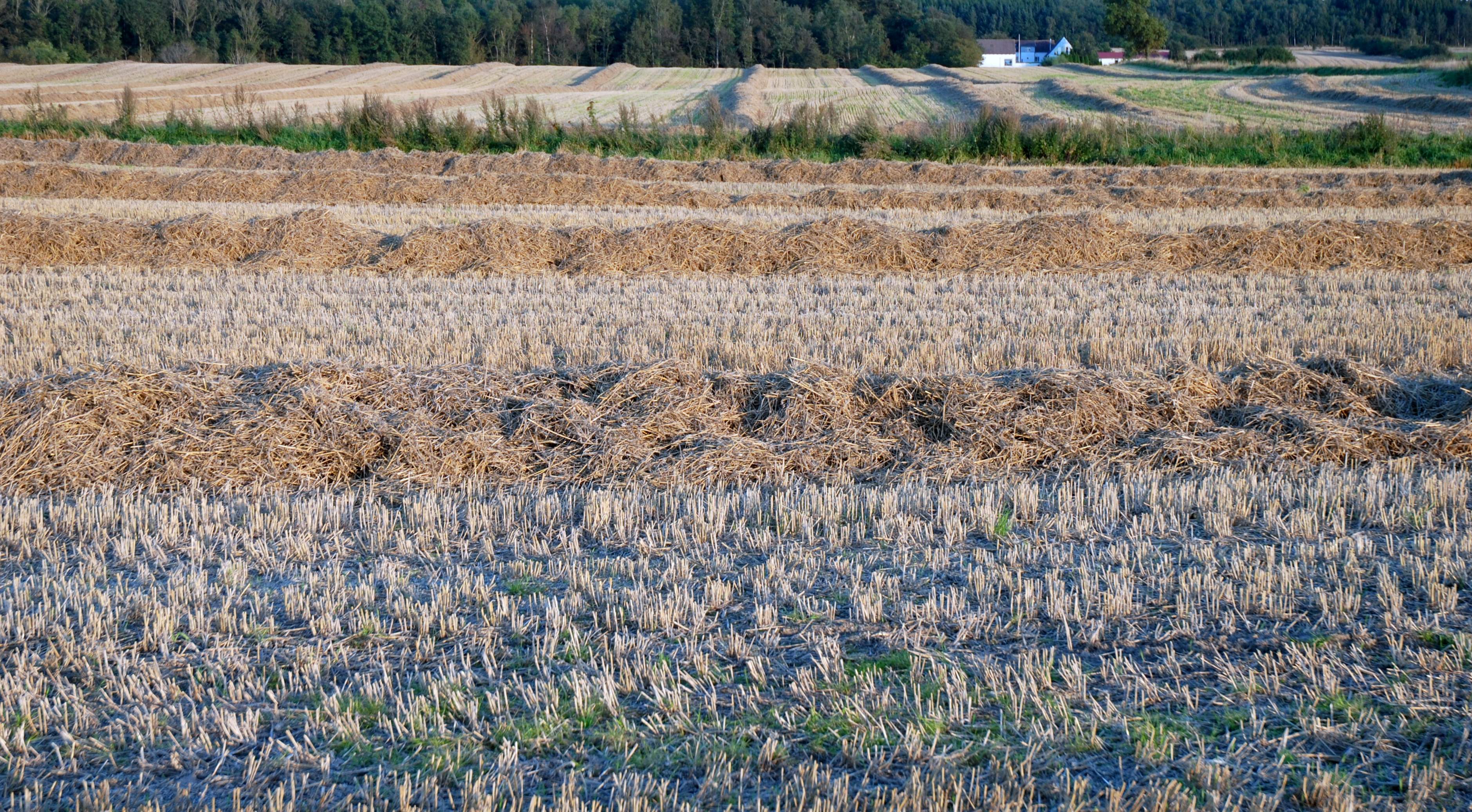
Nitrous oxide (N2O) is a potent greenhouse gas (GHG) with a global warming potential 265 times greater than CO2. Globally, the agricultural sector is the main contributor of anthropogenic N2O emissions. Crop residues decomposing in the fields contribute greatly to these emissions, yet mitigation options remain an issue of discussion and unknowns. The Agrobiology student will join a project examining the effects of different mitigation strategies such as crop choice, residue removal and incorporation timing. There will be different options for the student to focus on e.g. N2O emissions from vegetable crop residues or long-term effects of residue management on N2O and different soil parameters such as soil organic matter (SOM) etc. The student will also get insights into how countries estimate GHG emissions from the agricultural sector (the IPCC guidelines for national greenhouse gas inventories).
Is field work part of the topic
No
Is lab work part of the topic (yes/no)?
Yes
Is coding part of the thesis topic (yes/no)?
Potentially
Start: August 2026
Foulum (AU-Viborg)
45 ECTS or 60 ECTS
Useful reading:
Olesen, J. E., Rees, R. M., Recous, S., Bleken, M. A., Abalos, D., Ahuja, I., Butterbach-Bahl, K., Carozzi, M., De Notaris, C., Ernfors, M., Haas, E., Hansen, S., Janz, B., Lashermes, G., Massad, R. S., Petersen, S. O., Rittl, T. F., Scheer, C., Smith, K. E., Thiébeau, P., Taghizadeh-Toosi, A., Thorman, R. E., & Topp, C. F. E. (2023). Challenges of accounting nitrous oxide emissions from agricultural crop residues. Global Change Biology, 29(24), 6846–6855. https://doi.org/10.1111/gcb.16962

