Keywords: Soil amendment, soil structure evolution, field experiment
Agrobiology and IMSOGLO
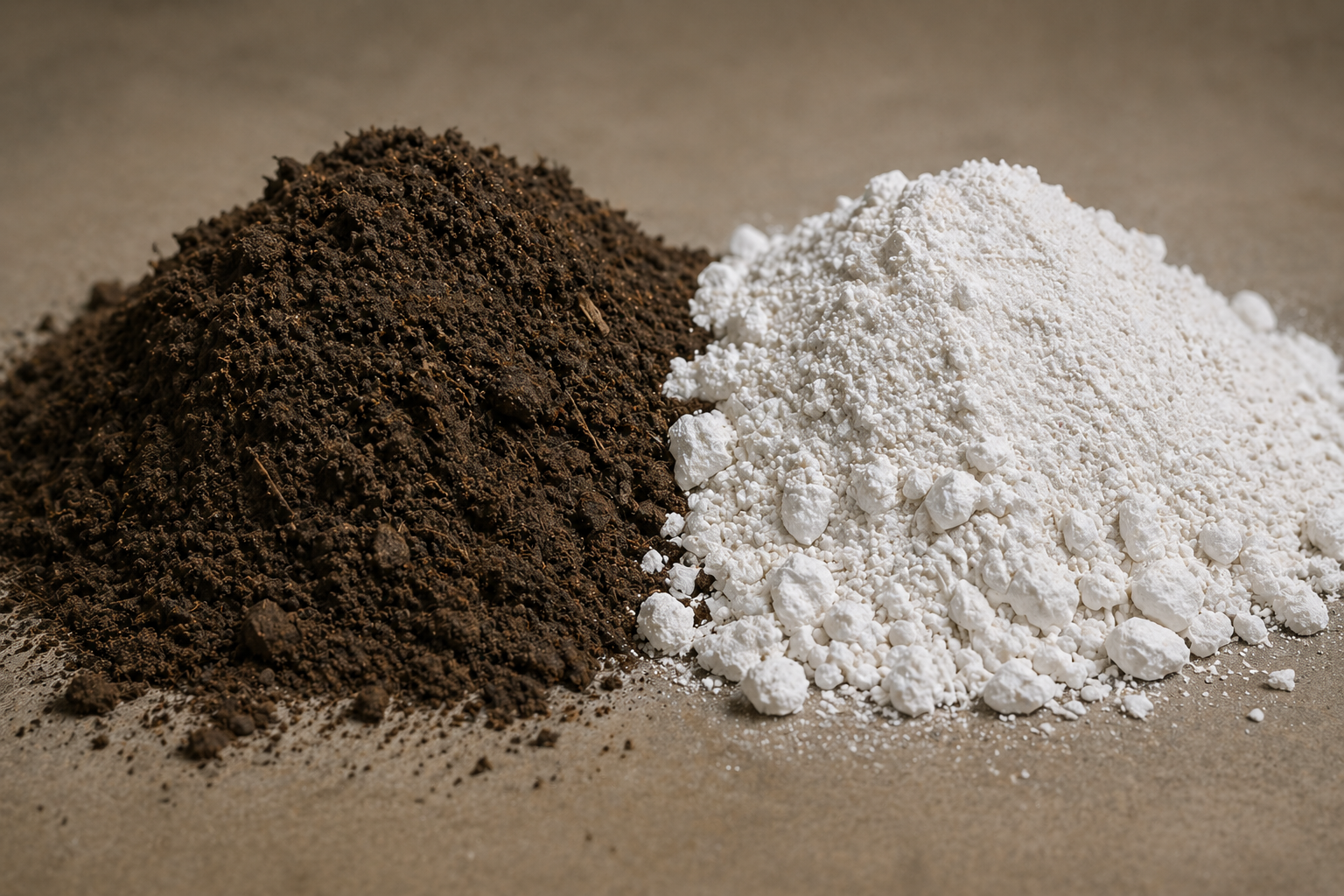
The aim of this project is to study the effectiveness of gypsum application to soils as alternative to liming for improving soil physical quality in degraded soils. Under Danish conditions poor topsoil structure is considered a problem on loamy soils with low organic matter content. They may in the worst case develop into so-called “hardsetting” soils that are very difficult to manage. Hardsetting soils display low strength in wet conditions and a large risk of clay dispersion. This may cause poor seedbed quality and crop establishment and facilitate colloid-borne loss of phosphorus and pesticides. The addition of a soluble calcium source is expected to further soil aggregate formation. The project will be linked to a large field trial conducted by SEGES and the Department of Agroecology. Support from technical staff at the department will be available.
Is field work part of the topic (yes/no)?
Yes
Is lab work part of the topic (yes/no)?
Yes
I coding part of the thesis topic (yes/no)?
No
February 2027
AU Viborg
45 ECTS: Experimental theses in which the student is responsible for collection and analysis of his/her own original data
Optionally, the project can be adjusted to:
30 ECTS: Theoretical thesis based on literature studies and/or analysis of issued and edited data sets.
60 ECTS: Experimental theses in which the student is responsible for planning, trial design and collection and analysis of his/her own original data
The project will be conducted in collaboration with SEGES Innovation.
Blomquist, J., Simonsson, M., Etana, A., Berglund, K., 2018. Structure liming enhances aggregate stability and gives varying crop responses on clayey soils. Acta Agriculturae Scandinavica, Section B — Soil & Plant Science 68, 311-322.


