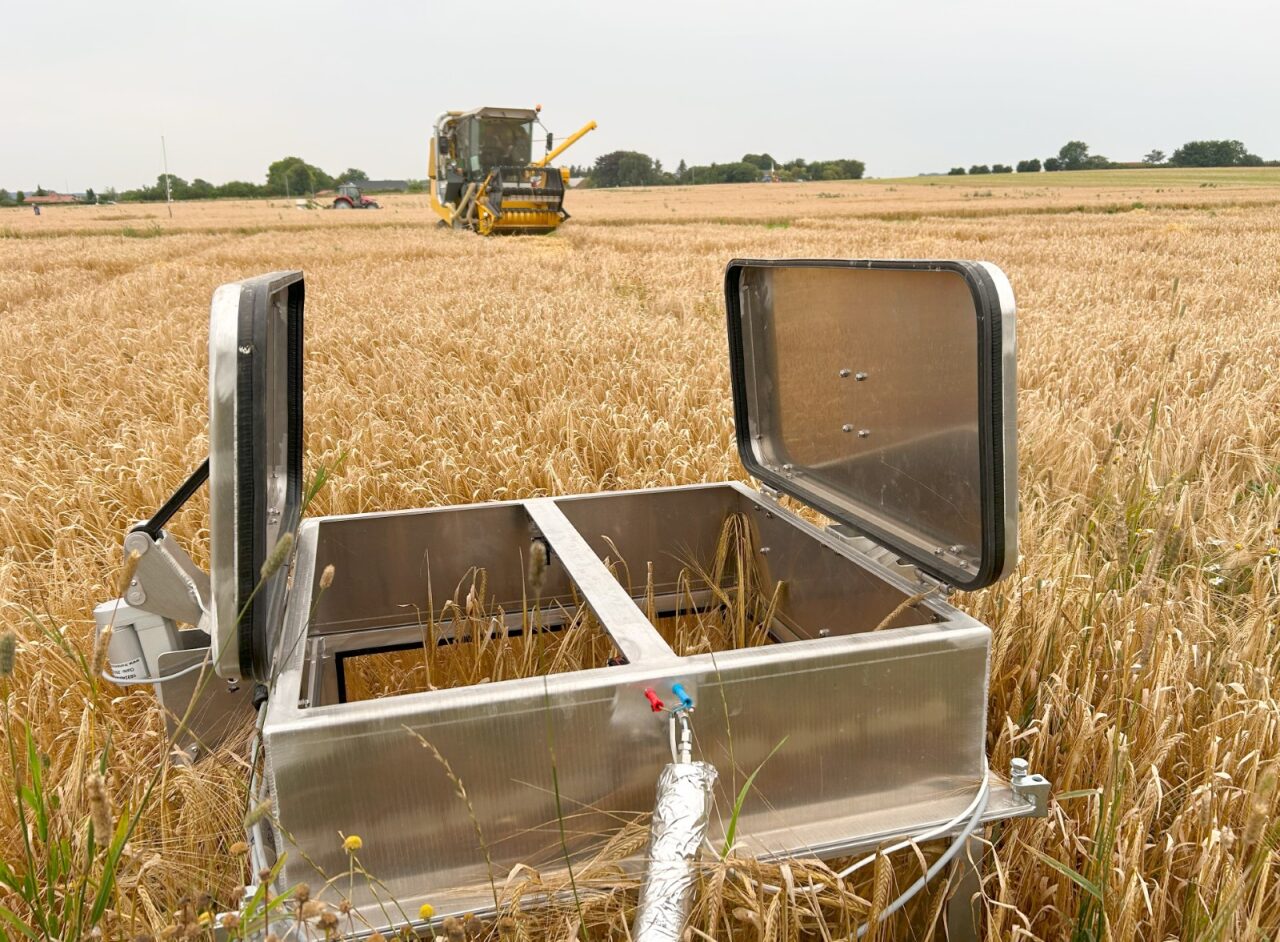
Keywords: Nitrous oxide, nitrogen cycling, agricultural soils, greenhouse gas mitigation, field-scale measurements, data-driven agriculture, environmental sustainability
Nitrous oxide (N₂O) is one of the most potent greenhouse gases in the Earth’s atmosphere, and agricultural soils are its dominant anthropogenic source. Delivering meaningful reductions in N₂O emissions requires deep process understanding, robust field data, and innovative mitigation strategies. This Master’s thesis is embedded in SmartField, a large-scale, internationally leading research platform funded by the Novo Nordisk Foundation. Students will work with state-of-the-art field measurements and high-resolution datasets from Danish agricultural systems to quantify N₂O emissions and explore how soil conditions, management practices, and environmental drivers control emission dynamics. Depending on interest, the project may focus on field experiments, laboratory analyses, advanced data analysis,. The work contributes directly to cutting-edge research aimed at transforming agriculture into a climate-smart, high-performance system.
Is field work part of the topic (yes/no)?
yes
Is lab work part of the topic (yes/no)?
yes
Is coding part of the thesis topic (yes/no)?
yes
Flexible – projects can start at any time during 2024–2029
The project is anchored at Aarhus University, with access to SmartField Supersites across Denmark. Students will be embedded in an active research environment and work closely with scientists operating advanced field and data infrastructures.
30 ECTS (Agrobiology / IMSOGLO): Data-driven or literature-based thesis using existing SmartField datasets
45 ECTS (Agrobiology): Experimental thesis including student-led data collection and analysis
60 ECTS (Agrobiology): Full experimental thesis with data collection, and advanced analysis
Students joining SmartField become part of a high-profile, interdisciplinary research consortium involving leading universities, research institutes, and international partners. The project offers hands-on experience with cutting-edge measurement technologies, large environmental datasets, and collaborative science at the frontier of climate and soil research. A background in soil science, environmental science, agronomy, or related disciplines is recommended. Strong motivation and scientific curiosity are essential; prior experience with fieldwork, data analysis, or programming is an advantage but not required.


