Who is Flakkebjerg Experimental Station?
Flakkebjerg Research Center is a national hub for research on the interactions between soil and plants. The center is engaged in scientific research, policy advisory services, and pesticide testing, actively contributing to the development of a more sustainable, productive, and environmentally friendly agricultural sector.
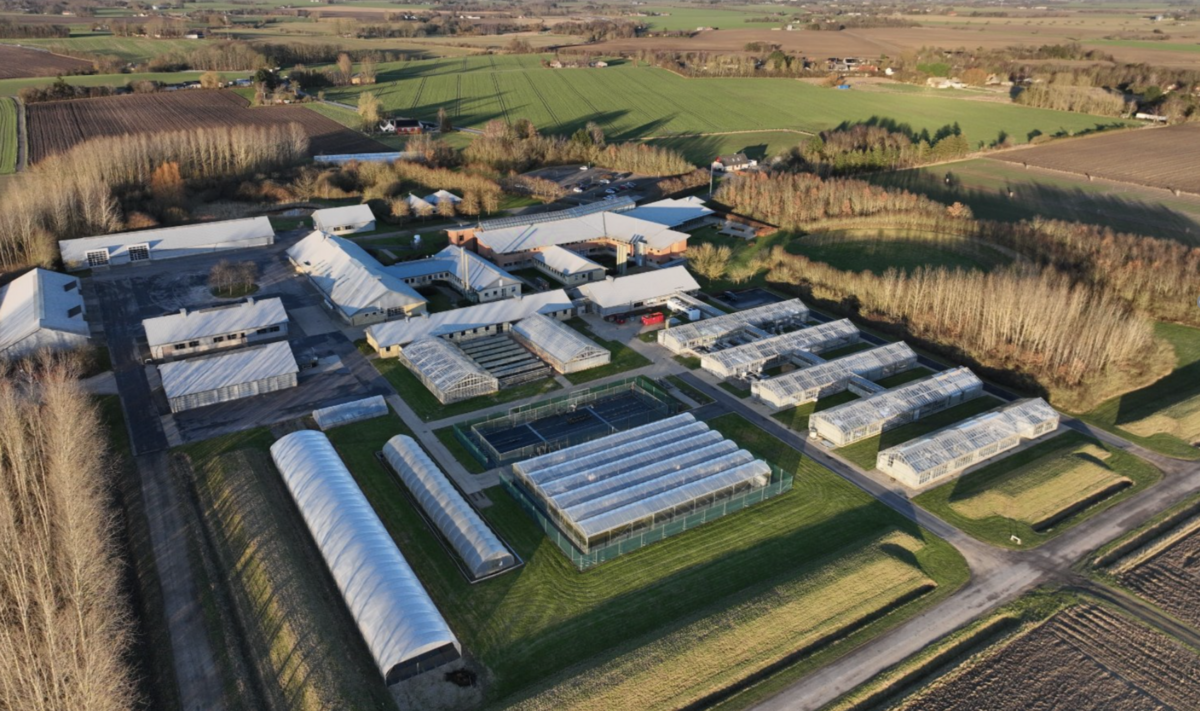
Research activities are carried out in both modern greenhouse facilities and on agricultural land, providing optimal conditions for conducting controlled as well as field-based, practice-oriented experiments.
The center operates a large and highly versatile machinery fleet, including a wide range of specialized equipment designed for experimental work. This enables great flexibility and precision in field trials and allows for tailored solutions to complex experimental setups.
A dedicated team of highly skilled technicians with specialized expertise ensures that experimental work is conducted with high quality and reliability. Their competencies span a broad range—from precision farming, drone operations, and field assessments to advanced experimental design and data collection.
Flakkebjerg Research Center is also a key player in governmental advisory services and in the national effort toward sustainable pesticide use, collaborating extensively with research institutions, public authorities, and industry partners.
At Flakkebjerg, the Department of Agroecology manages approximately 215 hectares of agricultural land classified as JB6–7 (heavy clay soil), of which around 120 hectares can be irrigated. In addition to the farmland, the site includes semi-field facilities with covered pot trial systems, greenhouses, and climate chambers.